Electric Car Charging Guide for New EV Owners

Switching to an electric vehicle brings up practical questions, especially regarding the best way to stay powered throughout the week. Understanding Singapore’s charging landscape is the first step toward a smooth, hassle-free experience.
This guide offers a clear overview of Singapore’s electric car charging, covering the main methods, what to expect during setup, and how to streamline the process—focusing strictly on the essentials you need to get started
Understanding Your Home Charging Setup
For most new EV owners, home charging offers great convenience by transforming a standard parking spot into a personal power station. This approach effectively streamlines your routine, eliminating the need for frequent trips to public charging hubs.
Key Points of Home Installation
Installing a home charging point is a straightforward process when handled by professionals. To ensure safety and efficiency, the installation typically follows three clear phases:
- Initial Assessment: A technician first inspects your electrical supply and property layout. By reviewing your current power consumption and driving habits, they can recommend the ideal charger model and the most practical mounting location.
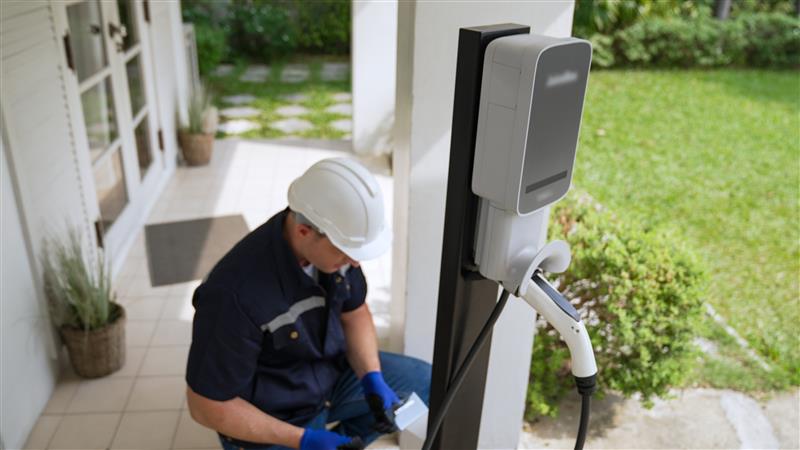
- Professional Installation: Trained installers manage the physical setup, ensuring cables are routed neatly and the unit is securely fixed. Once the hardware is in place, they perform rigorous testing to confirm the system meets all safety standards and operates correctly.
- Ongoing Support: Following the installation, the provider assists with any necessary paperwork or regulatory filings. They also remain available for troubleshooting and maintenance, ensuring long-term reliability.
For most standard homes, this entire process is efficient, typically concluding within a single day.
Charging Options for Different Locations
EV charging solutions should be tailored to where a vehicle is parked most often. Different environments require different equipment, charging speeds, and installation setups. Providers offer a range of solutions designed to match these specific needs.
Home Chargers for Private Residences
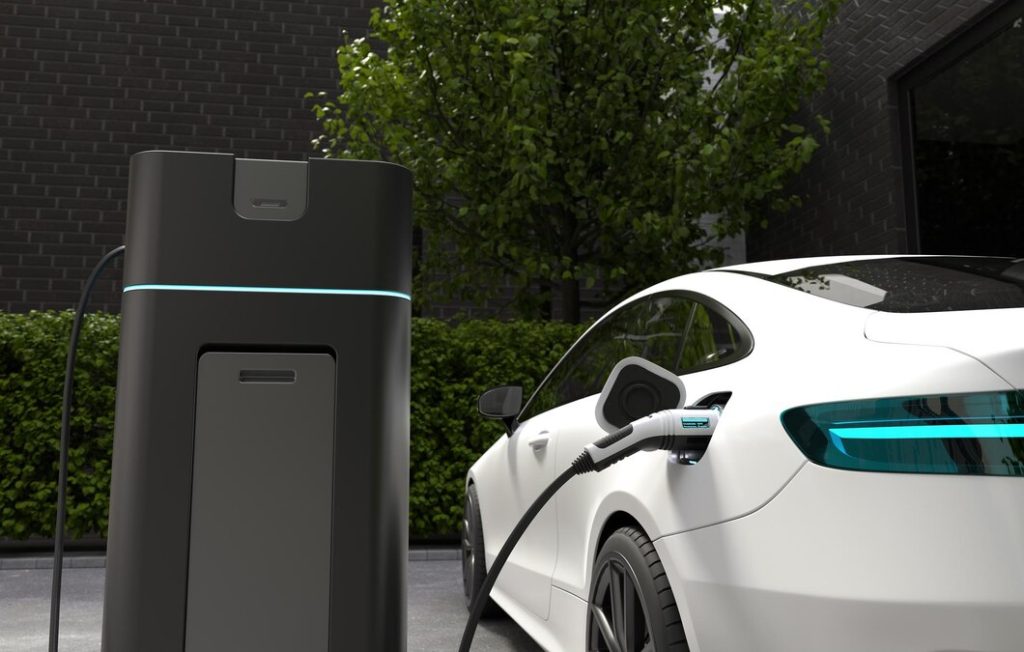
For homes, Alternating Current (AC) chargers are the most common choice. These compact units are ideal for overnight charging, delivering a steady and reliable power supply while the vehicle is not in use.
There are several trusted options available for residential installation, including models from ABB, Autel, and Wallbox. While designs and features may vary, they all provide a convenient and efficient home charging experience.
Public Chargers for Shared Spaces
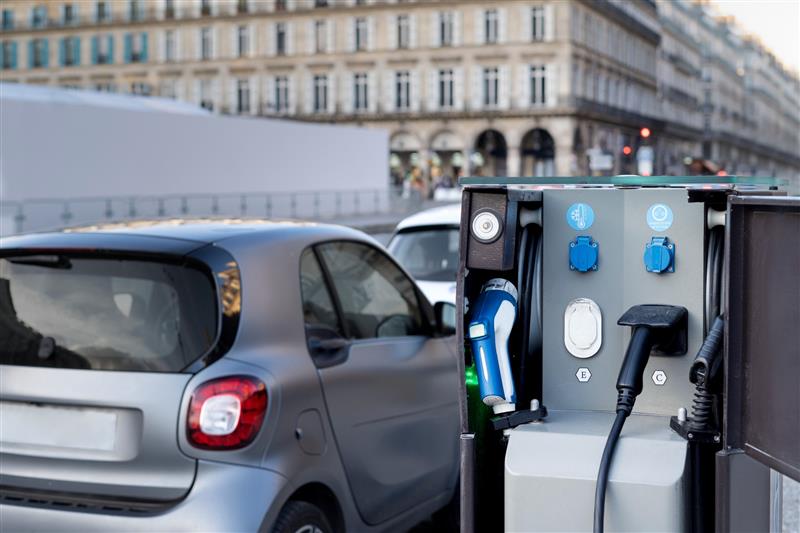
Commercial properties such as offices, retail centres, and public car parks require a different solution. These locations are built to support multiple vehicles throughout the day, making faster charging speeds more practical.
Direct Current (DC) chargers are commonly used in these settings, with power outputs typically ranging from 60 kW to 120 kW. They are available in wall-mounted or floor-standing designs, with single- or dual-cable configurations. Providers will usually assess the site’s electrical capacity and parking layout to recommend the most effective setup.
The Value of Smart Charging Features
This technology enables businesses to share power costs with appropriate groups and ensures balanced power distribution across multiple cars through load balancing. These features keep the whole process smooth and well-run.
Modern EV charging offers more than simply connecting a cable. Many systems now come with smart features that give users greater control, improved efficiency, and a more convenient charging experience.
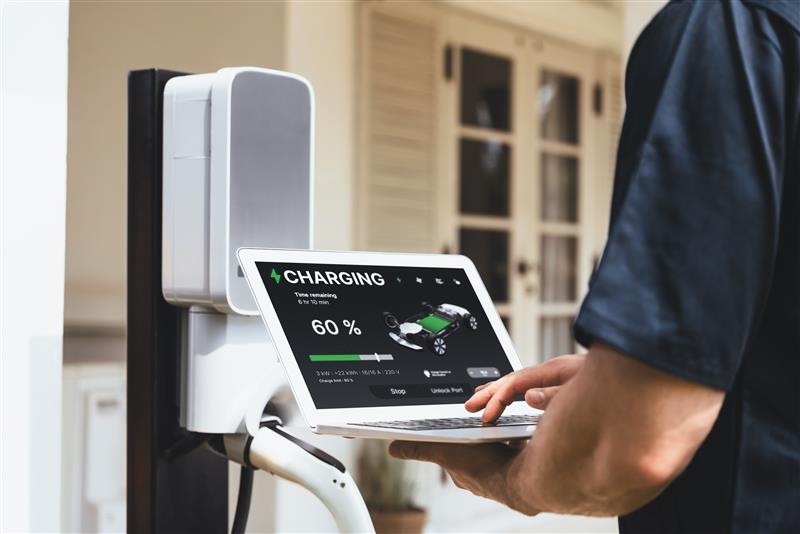
With smart charging, owners can manage their chargers through a mobile app. This allows them to monitor real-time energy usage, track charging activity, and better understand their overall power consumption from anywhere.
For households or businesses managing multiple electric vehicles, smart systems provide centralised control across several chargers or vehicles. This makes it easier to monitor total usage, review charging data, and keep everything organised in one place.
Smart charging technology also supports load balancing, which distributes available power efficiently across multiple vehicles. For businesses, it can also help allocate charging costs to the right users or departments, making operations smoother and more cost-effective.
Specialised Plans for Fleets
Companies operating fleets of electric vehicles have specific charging needs. They often need to power multiple vehicles efficiently while working with limited electrical capacity. Dedicated charging systems help businesses stay in control, reduce costs, and support daily operations.
- Sharing Power Evenly
Fleet systems use smart software to distribute available power across all vehicles. This prevents overloading when several cars charge at the same time and ensures each vehicle receives enough power. - Monitoring Energy Usage
Smart systems allow businesses to monitor how much energy each vehicle uses. Managers can track trends, allocate costs to the right teams, and use the data to improve planning and savings. - Caring for Fleet Batteries
Good charging habits help batteries last longer. Fleet systems prevent overcharging and adjust charging speeds based on each vehicle’s needs, helping to protect battery performance and reduce replacement costs. - Growing with Your Fleet
Strong fleet charging plans make it easy to add more chargers as the business expands. The system can scale with demand without major changes, supporting long-term growth.
Moving Through the Setup Path
Installing a home EV charger is usually a straightforward process. Professional providers are experienced in making the setup smooth, efficient, and hassle-free from start to finish.
- Begin with a Short Talk
The process starts with a quick discussion about your home, vehicle, and charging needs. This helps the provider understand your requirements and recommend the most suitable solution. - Why a Home Visit Helps
A technician visits your property to inspect the electrical panel, parking area, and available power supply. Parking habits may be checked to recommend a suitable charger brand, as some models offer longer cables or usage reporting systems for customers who need records to claim transport fees. - Picking Your Charger
After the site assessment, you’ll be presented with charger options that suit your space and needs. The provider will explain the differences clearly, helping you choose with confidence. - Setup Day Details
On installation day, trained professionals complete the setup safely and neatly. They install the charger, route wiring properly, test the system, and clean the area once the work is done. - Support After Setup
Once the charger is installed, the provider can assist with app setup, account registration, or required paperwork. Ongoing support is also available if you need help in the future.
Common Safety Questions
Safety is one of the biggest concerns when installing new electrical equipment at home. Modern EV charging systems are built with multiple safety features, and professional installation ensures they operate correctly from day one.
All local regulations and safety standards are followed during installation to ensure the charger is set up correctly. Electrical connections are secured, the power supply is checked for suitability, and the system is configured for safe and stable operation.
Charging equipment is also designed for everyday reliability. Built-in protections help guard against overheating, power surges, and electrical faults. When installed properly, the charger can deliver safe and consistent performance each day.
| Feature | Purpose |
| Professional Assessment | Ensures the right charger is selected and confirms the home’s electrical system can support it safely. |
| Licensed Setup | Ensures all installation work meets safety standards and is completed correctly from the start. |
| Regular Inspection | Keeps the charger operating smoothly and helps detect issues early before they become serious. |
A safe and reliable charging experience comes from the combination of expert assessment, proper installation, and ongoing maintenance. With the right setup in place, you can charge your vehicle confidently and conveniently at home.
Frequently Asked Questions
A standard home charger installation is usually completed within one day. More complex setups may require additional time depending on site conditions and electrical work needed.
Yes. When installed by licensed professionals following proper safety standards, home charging is safe, reliable, and suitable for everyday use.
After installation, the provider will assist with app setup, registration, or any required onboarding steps.
Only chargers with smart or mobile app functions allow phone control. These models let users monitor charging, track energy use, and schedule sessions through an app.