EV Charger Inspection and Maintenance for Safety and Compliance

Keeping an EV charger in proper working condition involves more than just correct installation. Regular EV charging station inspections and maintenance are carried out to ensure the setup remains safe, compliant with current regulations, and free from potential faults. These checks help owners identify abnormalities early and reduce the risk of electrical issues, performance disruptions, or safety hazards.
This guide explains the key inspection and maintenance practices required to keep your EV charger operating safely and within regulatory standards. It covers essential areas such as safety testing, performance checks, component condition, and compliance verification. The focus is on practical steps that help owners confirm their installation remains properly set up and suitable for continued use.
How Maintenance Supports Safe and Stable Charging Performance
Regular EV charger inspections and maintenance help ensure EV charging equipment continues to operate safely and remains compliant with current regulations. These checks are done to detect faults early, reduce safety risks, and prevent disruptions. With routine attention, unexpected downtime and costly repairs can also be avoided.
-
Spotting Small Problems Early
Routine technician visits can uncover minor issues that may not be visible to users, such as loose connections or early cable wear. Addressing these problems early helps prevent sudden failures and maintains system reliability.
-
Keeping Safety Features Working
Regular inspections ensure that key safety systems continue to function correctly. Components such as ground-fault protection and temperature controls are tested to confirm proper operation, helping to protect both users and property.
-
Protecting Warranty Coverage
Many warranties require proof of scheduled maintenance or professional inspections. Keeping proper records ensures compliance with warranty conditions and helps maintain coverage if repairs or replacements are needed.
-
Adjusting to New Usage Patterns
As charging needs change over time, system demands may also shift. Regular inspections allow technicians to adjust settings or recommend upgrades, ensuring the charger continues to meet current usage requirements.
What a Full Check Includes
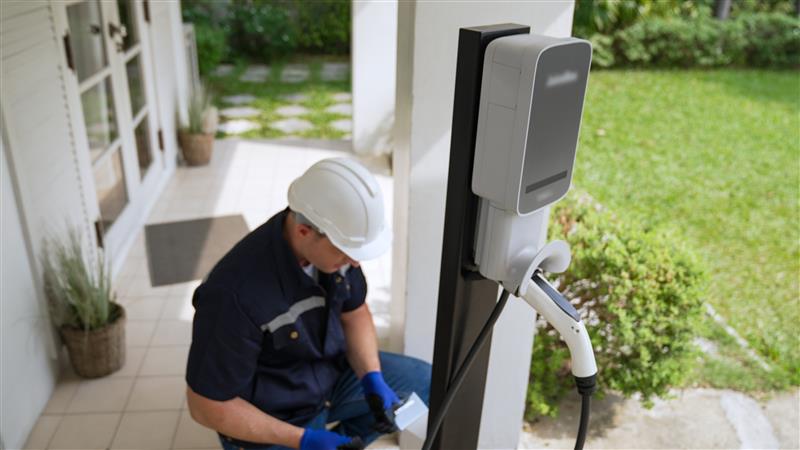
A complete EV charger inspection covers multiple aspects of the system to ensure safe and reliable operation. Technicians assess both the physical hardware and the electrical components, confirming that everything is functioning as intended.
-
Physical and Environmental Checks
Technicians inspect the charger for any unauthorised modifications or visible signs of damage. This includes checking for dents, blocked ventilation openings, loose components, damaged charging pins, and other environmental or physical issues that may affect performance or safety.
-
Cable, Connector, and Mounting Inspection
The charging cable, connector, and mounting system are examined for wear, damage, or instability. Regular inspection helps ensure safe handling, proper connection, and long-term durability of the charging equipment.
-
Labelling and Identification Verification
Inspectors confirm that all required labels and identification details are present and clearly visible. This includes electrical warning labels, information plates, operator contact details, and inspection labels showing both the inspection date and the next scheduled inspection date.
-
Emergency Stop and Safety Function Testing
The fail-safe emergency stop (E-stop) button is inspected and tested to ensure it functions correctly. The charger must safely reset and return to a secure operating state once the E-stop is released.
-
Display and User Interface Checks
Technicians assess the charger display, indicator lights, user controls, and related accessories to confirm that all interface components operate correctly and provide accurate information to users.
-
Electrical Connection and Safety Testing
Electrical systems are thoroughly tested to ensure safe and reliable operation. This includes inspecting incoming power supply cables, protective conductor connections, and electrical terminations. Additional testing may include earth loop impedance testing, insulation resistance testing, RCCB tripping time testing, as well as earthing and bonding checks.
-
RCCB and Protection Device Testing
Protective devices such as the RCCB are inspected and tested to ensure proper functionality. The system should use a Type A 30mA RCCB, and a manual trip test is performed to verify correct operation under fault conditions.
-
Charging Functionality Testing
The charger is tested to confirm that it can correctly start and stop charging, as well as energise and de-energise safely during operation.
-
Ventilation System Inspection
For chargers equipped with cooling or ventilation fans, technicians verify that the ventilation system is functioning properly to prevent overheating and maintain optimal performance.
-
Control Pilot Fault Simulation
A control pilot fault simulation is conducted to confirm that the charger can correctly detect communication or connection faults and respond safely according to operational standards.
Understanding Rules and Requirements
EV charging stations must comply with regulations set by local authorities and safety bodies. Regular inspections help ensure that installations remain aligned with these requirements over time. Staying compliant not only protects users but also safeguards property and equipment.
An EV charger inspection typically includes a review of installation documentation and compliance records. Technicians assess the system against current electrical and safety standards to confirm that it meets all required guidelines. This process provides assurance that the setup remains safe, legal, and properly maintained.
This structured approach to inspections helps maintain consistent performance and reliability. Each check builds on the previous one, creating a strong foundation for long-term safety and dependable operation.
Inspection Schedules for Different Locations
EV charger inspection schedules are regulated by government requirements and vary depending on whether the charging location is classified as restricted or non-restricted access.
Restricted access locations require inspections once every 24 months by an Equipment Specialist (ES). These locations typically have controlled access and lower exposure to public usage, allowing for longer inspection intervals while still maintaining safety and compliance.
Non-restricted access locations require more frequent inspections due to higher public usage and increased operational demands. These chargers must be inspected once every 6 months by an Equipment Specialist (ES) and once every 12 months by a Licensed Electrical Worker (LEW). Regular inspections help ensure continued safety, performance reliability, and compliance with electrical standards.
The Role of Skilled Professionals
Trained equipment specialists bring essential expertise to inspection and maintenance work. Their knowledge helps ensure issues are accurately identified and resolved before they become serious problems.
-
Understanding Local Regulations
Professionals stay up to date with safety standards and compliance requirements, ensuring installations remain aligned with legal guidelines.
-
Detecting Early Signs of Wear
Experienced technicians can identify subtle warning signs such as discolouration on terminals or unusual smells, which may indicate developing faults.
-
Using Specialist Testing Equipment
Inspections often require specialised tools to measure electrical performance and safety. Proper interpretation of these readings depends on professional training and experience.
-
Providing Clear Maintenance Records
Technicians supply detailed reports documenting inspection findings, repairs, and part replacements. These records help track system health over time.
Building a Maintenance Plan for Safety and Compliance
A structured maintenance plan helps ensure EV charger inspections are carried out consistently and according to current safety and regulatory requirements. A clear schedule reduces the risk of missed checks and ensures the installation remains safe for continued use.
Recording details from each inspection, such as test results, abnormalities found, repairs completed, and part replacements, helps create a clear service history. This allows issues to be tracked over time and supports quicker fault identification if problems occur in the future.
Proper documentation should also include compliance certificates, inspection reports, and any supporting test records. Keeping these organised ensures they are available for audits, insurance purposes, warranty claims, or property-related requirements.
The Value of Keeping Records
Maintaining complete records of all inspections serves several important purposes. These documents demonstrate compliance with required regulations when needed and provide technicians with a clear history of the system during future visits.
Proper records should include inspection dates, findings, and any actions taken. Details such as repairs carried out or parts replaced are especially useful, as they provide a full picture of the charger’s maintenance history and condition over time.
- Tracking check dates and outcomes helps create a clear timeline of system performance. Over the years, this log can reveal patterns and recurring issues, making it easier to plan future maintenance more effectively.
- It is also important to update records with information on any replaced components and completed work. This helps identify which parts experience the most wear and allows future technicians to prepare for likely replacements.
- Compliance documentation confirms that the system meets all required safety and regulatory standards. Keeping these documents organised ensures they are readily available for inspections, insurance purposes, or property transactions, saving time and reducing administrative hassle.
Preparing for Future Needs
As EV technology continues to evolve, maintenance and inspection requirements may also change. Staying aware of new developments helps ensure systems remain compatible and efficient over time.
Changes in vehicle technology, charging speeds, or usage patterns may require adjustments to inspection frequency or methods. Regular reviews of the system help ensure it continues to meet current demands.
Frequently Asked Questions
Inspection schedules are regulated by government requirements. For restricted access locations, EV chargers must be inspected once every 24 months by an Equipment Specialist (ES). For non-restricted access locations, inspections are required once every 6 months by an Equipment Specialist (ES) and once every 12 months by a Licensed Electrical Worker (LEW).
Warning signs include flickering lights during charging, unusual noises from the unit, or charging sessions stopping unexpectedly. These symptoms often indicate underlying issues that require prompt attention.
A standard inspection typically focuses on the charger and its direct electrical connection. If any issues are suspected in the wider home wiring, technicians may recommend a separate electrical assessment.
Yes. Simple actions such as checking the cable for visible damage and keeping the unit clean can help maintain its condition. Owners are also recommended to practise proper cable management, avoid dropping the cable gun, and ensure the cable is not driven over.